Showing posts with label palm oil. Show all posts

Tuesday, April 19, 2011

Neiker-Tecnalia research to obtain more productive, resistant and sustainable oil palms

12/04/2011 (Basque Research) - (Neiker-Tecnalia (the Basque Institute for Agricultural Research and Development) is carrying out research, the objective of which is to improve oil palm crops through genetic enhancement. Its Biotechnology Department is currently working on the development of the technique known as Marker-Assisted Selection (MAS) with the goal of optimising the production and quality of this crop. This technique enables detecting new genes which have important characteristics, such as resistance to diseases, greater production of best quality oil and better adaptation to biotic and abiotic stress.

The research is being undertaken within the remit of the international Oil Palm Genome Project, which Neiker-Tecnalia is performing together with the International Cooperation Centre in Agronomic Research for Development (CIRAD), located in Montpellier, France.

The Most Produced and Consumed

Palm oil has become, over the past decade, the largest source of vegetable oil worldwide, in terms of production and consumption. Thus, it is necessary to complement the traditional improvement of crops with new biotechnological techniques which enable important genetic enhancements of the plant. The selection and use of new varieties adapted to market demand enables a more efficient use of the resources required for the growing of oil palm crops. In this way, more sustainable plantations (requiring less water and fertiliser) are enabled and, at the same time, higher production is achieved, thus avoiding extending areas under cultivation. Moreover, molecular genetic enhancement is seen as a very efficient alternative to using transgenics, which has sparked considerable social controversy.
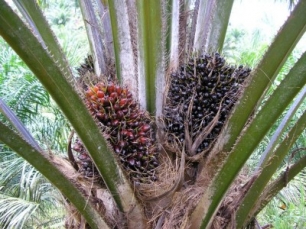
The goal of the Oil Palm Genome Project, in which companies from Malaysia, Indonesia, Brazil and Colombia are participating, is to develop molecular tools for obtaining genomic resources, such as complementary DNAs and useful genes, molecular markers and functional genetic maps. To this end, the researchers at Neiker-Tecnalia used the Marker-Assisted Selection (MAS) technique. The wide-ranging international collaboration in this project opens up great possibilities for collaboration in other fields.

DNA-based Molecular Markers

The MAS method involves identifying a coding DNA sequence within a gene of agricultural interest, or at least near to this gene. These DNA-based molecular markers are relatively simple to use in any state of development of the plant and enable predicting the agricultural behaviour of a genotype, thus accelerating genetic breeding programmes.

Genetic selection enables detecting new disease-resistant genes, genes involved in the quality and production of oil, and genes related to the development of the plant and its tissues. Likewise it makes it possible to detect genes involved in the processes of water stress and fertiliser use; i.e. requiring less water and fertiliser for their sustainable cultivation.

In order to obtain molecular markers and their use in Marker-Assisted Selection, scientists at Neiker-Tecnalia used the differential cDNA-AFLP expression technique (Amplified Fragment Length Polymorphism). The specialists are also working on the construction of a reference functional genetic map, the idea being to optimise the efficiency of oil palm improvement programmes.

Food and Industrial Use

90 % of palm oil is employed for food purposes (margarines, cooking oils, fats), while the remaining 10 % is used for soap and manufacturing oleo chemicals (fatty acids, methyl esters, surfactants, detergents, and so on). Also, with the increase in energy prices, palm oil-based diesel fuels are increasingly being considered as an alternative source of renewable energy.

Oil palm has a yield of four tons per hectare a year, much greater than other oleaginous plants such as soy bean, rapeseed, sunflower or cotton. Given the increase in the world demand for this oil, both plantations and experimental stations are attempting to optimise their crops with the aid of new biotechnological tools, developing solutions for various factors limiting production.

New technologies are being acquired and implemented within the remit of this project, using the oil palm as a crop model species. These technologies will also enable the development of applications for other traditional Spanish crops.

Genetic Enhancement
 Wondergenes: Genetic Enhancement and the Future of SocietyMedical Enhancement and Posthumanity (The International Library of Ethics, Law and Technology)21st Century Complete Guide to Bioethics - Biotechnology and Public Policy, Life Extension, Cloning, Life Enhancement, Drugs, Behavior, Genetics, Health Care, Nanotechnology, Genome Research (CD-ROM)Novel Biotechnologies for Biocontrol Agent Enhancement and Management

Thursday, January 13, 2011

Global Prices of Palm Oil Soar on Speculated Shortage

Palm oil gained to a record high in more than 33 months on a speculated supply shortage of cooking oils.

The prices jumped after the heavy rains in Indonesia and Malaysia damaged the crops there, which are the leading producers of palm oil.

March-delivery futures advanced 1.7 percent to 3,852 ringgit ($1,257) a metric ton on the Malaysia Derivatives Exchange, the highest closing level since March 6, 2008. Prices surged 42 percent in 2010, a second straight year of gains.

Palm oil futures have advanced 68 percent in the past six months amid concern that the supply of cooking oils may tighten as dry weather in Argentina hurt the crop in the top soybean-oil producer and rains affected oil-palm harvests in Indonesia and Malaysia.

Vegetable oil reserves are forecast to touch a seven- year low at the end of this season, according to the Economic Research Service of the U.S. Department of Agriculture, Bloomberg reports.

Production of palm oil in Malaysia declined to a five months low in November, stocks also reduced to a four months low.

La Nina in Argentina has also affected the soybean production of the country, it is supposed that the soybean production may even come down by 17 percent to 43 million tons.
Meanwhile US had a record output of the crop this season, but the hungry China is increasing its demand day by day.

China imported 5.3 million tons of soybeans in December last year; shipments for January and February are forecast at 5 million tons and 3.5 million tons. China imports 60 percent of soybean to their country.

March-delivery soybeans, which climbed 33.8 percent last year, fell as much as 0.8 percent to $13.9225 a bushel on the Chicago Board of Trade. Soybean oil for delivery in the same month dropped as much as 0.6 percent to 58.01 cents a pound and traded at 58.48 cents at 3:33 p.m. in Mumbai. The vegetable oil’s premium over palm oil narrowed to $33.40 a ton from $49.5 a ton on Dec. 31, according to Bloomberg data.

Vegetable Oil Market
Vegetable Oils in Food Technology: Composition, Properties and UsesPractical Guide to Vegetable Oil ProcessingIndustrial Uses of Vegetable OilFrom the Fryer to the Fuel Tank: The Complete Guide to Using Vegetable Oil as an Alternative FuelA Practical Treatise On Animal and Vegetable Fats and Oils: Comprising Both Fixed and Volatile Oils ... As Well As the Manufacture of Artificial Butter ... to the Extraction, Rendering, Refining, D 

Monday, December 20, 2010

Palming Palm Oil Profits

14/12/2010 (Money Show) - A London-listed operator of plantations in Papua New Guinea looks cheap given the soaring prices of its main product, writes Peter Shearlock in The IRS Report.

Next time you fill up a supermarket cart, check how many items contain palm oil. If your shopping includes soap, detergents, bread, pizzas, and other processed foods, you will probably see palm oil listed among the ingredients. Where only “vegetable oils” are listed, chances are that palm oil is among them.

The growth of demand for palm oil over the past decade has been dramatic. In part, that’s because of its newfound use as a feedstock for biodiesel. But it is the food industry worldwide that accounts for the lion's share of the near-50 million tons of the stuff currently being produced.

La Nina Pumps up Prices
According to the publication Oil World, global demand for eight key vegetable oils will exceed supply this year for the first time in eight years. A La Nina climate event has resulted in excessive rain in Indonesia and Malaysia, which produce 90% of the world palm oil crop. Estimates for production of soybean oil—a competitor to palm oil—have also been cut.

Given this backdrop, it is not surprising that the price of crude palm oil recently pushed back over the $1,100-per-ton mark. That compares with a pre-crisis high of close on $1,400 per ton in 2007 and a low of $435 in 2008.

While the shares of the world's leading palm oil producers have all performed strongly this year, one still stands out as offering real value: New Britain Palm Oil (London: NBPO). After a big acquisition earlier this year that expanded its plantations by about a half, it now has more than 75,000 hectares, or 185,000-plus acres, of plantations, largely in West New Britain, which is part of Papua New Guinea (PNG).

The Grower with the Greenest Thumb
NBPO is a high-quality producer in every sense. First, it is among the most efficient. The yield on plantations that have been within the company's ownership for any length of time is an industry-leading 28.4 tons per hectare. That compares with returns of less than 20 tons per hectare for the two most recent acquisitions. NBPO is also expected to become one of the most efficient upstream producers in the industry.

All told, NBPO is set to generate the highest earnings growth of any of the leading palm oil producers over the next few years. One reason is the company's position as the largest producer of certified sustainable, segregated and traceable, palm oil in the world. NBPO is reaping dividends from its investment in sustainable production.

In the first nine months of this year, NBPO lifted production by 22% and revenue and profits before tax by 49% and 42% respectively. The company has been making forward sales of palm oil at prices ranging between $820 and $863 a ton but is likely to achieve significantly more for the bulk of its 2011 output. It also produces a small amount of sugar, whose price has been generally strong in the past year.

Hidden Value on the Books
Despite this good news, NBPO has been trading at a discount to most of the big Malaysian producers. Macquarie recently lifted its price target to 933 pence, which compares with a current share price of 835p. Liberum Capital, NBPO's other broker, forecasts a rise in earnings from around 37p this year to 46p next and 52.5p in 2012. That puts the shares on a 2011 price/earnings ratio of 18.

However, the figures assume an average palm oil price of just $820 a ton next year. And NBPO shares are better value than these numbers would suggest.

The last accounts show net worth of around £330m, but taking the price per hectare paid for the last acquisition puts a value of well over £400m on the company's plantation land alone.

At the time of its latest acquisition, which was financed with around £130m of borrowings, the company said it was to suspend dividends for a year. They will recommence in the second half of next year. NBPO has about £170m of debt, which is easily manageable.

Clearly, much depends on the future price of palm oil. Demand from China and India, two of the biggest markets for palm oil, shows no sign of slackening. Western food producers are using more and more vegetable oils, palm oil included, and are being pressed to show that those oils are responsibly sourced.

The recent price action looks soundly based, while NBPO's credentials as a “green” producer leave it ideally positioned at the fastest-growing end of the market.

Vegetable Oil
Greasy Rider: Two Dudes, One Fry-Oil-Powered Car, and a Cross-Country Search for a Greener FutureFrom the Fryer to the Fuel Tank: The Complete Guide to Using Vegetable Oil as an Alternative FuelVegetable Oils in Food Technology: Composition, Properties and UsesIndustrial Uses of Vegetable OilVegetable Oils in Food Technology: Composition, Properties, and Uses (Sheffield Chemistry and Technology of Oils and Fats)

Thursday, December 9, 2010

Malaysia, Indonesia in united stand to promote palm oil

18/11/2010 (The Star Online), Brussels - In a united stand, the world's top palm oil producers Malaysia and Indonesia have expressed strong intention to undertake more joint activity to promote the commodity's sustainable production image and address the mounting negative publicity among the green NGOs and major importing Western countries.

One such move was the recently-concluded two-day Joint Malaysia-Indonesia Ministerial Mission to the European Union (EU) which started on Monday with the aim of addressing concerns on the EU Renewable Energy Directive (RED) set to be implemented by Dec 5.

Malaysia's Plantation Industries and Commodities Minister Tan Sri Bernard Dompok and Indonesia's Agriculture Vice-Minister Dr Bayu Krisnamurthi said in a joint press conference on Tuesday that there were positive outcomes from the meetings with the European Commissioners on issues related to palm oil.

The issues discussed at the closed door meetings include Directive 2009/28/EC on the promotion of the use of energy from renewable sources and its WTO-compliance, sustainable production of palm oil, indirect land use change (ILUC), biofuel certification, revision of the default values under Annex V of the RED and high-biodiversity grassland.

Dompok said: The European Commissioners had indicated that they were open and willing to review the EU RED criteria on palm oil if Malaysia and Indonesia were able to provide more inputs in the form of data and proven research findings to support the merits of the commodity.

The EU RED has set criteria on the use of palm oil as feedstock for biofuel production which could form a non-tariff barrier for the import of the commodity into the EU.

As top palm oil producers, Malaysia and Indonesia had attracted the most scrutiny whereby politicians from all sides had been influenced by NGOs and are currently promoting discriminatory trade measures against palm oil as part of the implementation of the EU RED.

For decades, Malaysia has been meeting the European demand for quality vegetable oil for use in food and oleochemical products, Dompok said.

However, within the past one to two years, Europe's new focus on fighting climate change and promoting alternative fuels has fundamentally shifted the political and commercial context for imports of palm oil and other vegetable oils with high potential for biofuel applications.

According to Malaysian Palm Oil Board statistics, Belgium had last year imported 1.24 million tonnes of palm oil, followed by the Netherlands at 989,834 tonnes and Britain at 42,293 tonnes respectively.

On the sustainable production of palm oil, apart from participating in the voluntary Roundtable on Sustainable Palm Oil (RSPO) certification, both countries are undertaking new efforts in ensuring sustainable production.

Bayu said: Indonesia is developing its own standard the Indonesia Roundtable on Sustainable Palm Oil (ISPO) and this will be made compulsory to all its plantation companies by early next year.

Dompok said Malaysia was implementing the codes of practice for the local palm oil sector.

Malaysia and Indonesia are striving for support from 10 to 15 other palm oil-producing countries in an effort to get a stronger voice in championing the palm oil cause.

Given the fact that there were no single certification on biofuels currently recognised by the European Commission, the ministers had proposed the implementation of a single EU certification scheme and the requirements of such schemes should be in line with the EU RED.

Next on the agenda for Dompok under his tight palm oil and timber programme will be London.

There will be a dialogue session with the NGOs which many consider as the major highlight of his working trip to London to be followed by a roundtable discussion with Britain's timber representatives and retailers' dialogue.


Palm Oil Production
Development institution lending for palm oil production: Hearing before the Subcommittee on Internati...The Oil Palm (World Agriculture Series)The potential usage of oil palm biomass for the production of energy: With Sampling and Malaysian Case StudiesSmall-Scale Palm Oil Processing in Africa (Fao Agricultural Services Bulletin,)Optimization studies on acid hydrolysis of oil palm empty fruit bunch fiber for production of xylose [An article from: Bioresource Technology]Renewable energy from palm oil - innovation on effective utilization of waste [An article from: Journal of Cleaner Production]